Every olive oil brand that publishes its polyphenol numbers, ranked
The producers we found that publish a polyphenol figure for their current oil, ranked by the two documented compounds. Every number links to the producer's own page or lab report.
Living indexUpdated regularly as new results and harvests come inLast update September 2026
Producers listed
18, from 8 countries
Ranked by
oleocanthal + oleacein, mg/kg
Every figure
copied from the producer's own page or certificate
Edition
2025/26 harvest · 2026/27 follows the new pressings
How the ranking works
Ranked by two named compounds, never by the total
Totals from different lab methods are different currencies: the same oil tests at 874 on one method and 1,046 on another. A named molecule is the exception. Measured on the same oils, oleocanthal agrees across methods within about 10%. So the index ranks on oleocanthal + oleacein, the D1 figure printed on University of Athens certificates, and an oil can only be ranked when its producer publishes both.
Three rules decide who is in
1
Published by the producer
On the producer's own site. Retailer listings and award registries don't count.
2
Current or previous harvest
Polyphenols decline as oil ages. A 2022 figure describes an oil that no longer exists.
3
Any accredited method
The method is printed next to every number. Oils with a total and no compounds are listed, unranked.
The ranked index
Oleocanthal + oleacein, mg/kg, as published
Oleaphen
High Phenolic 2025
1,996total 2,236 LC-MS/MS
Laconiko
ZOI
1,196total 1,397 NMR
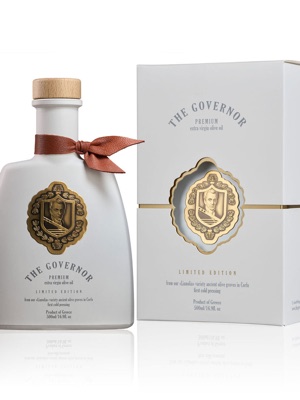
The Governor
Limited Edition
875total 1,316 NMR
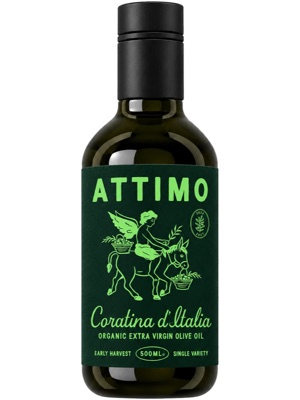
ATTIMO
Coratina
807total 847 HPLC
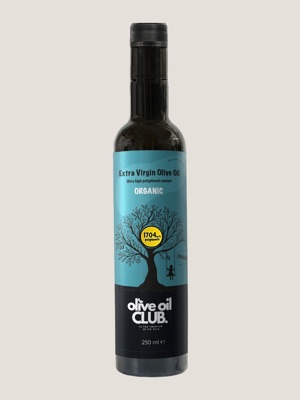
Olive Oil Club
Picholine
682total 1,704 NMR
Kyoord
High Phenolic
657total 1,007 NMR
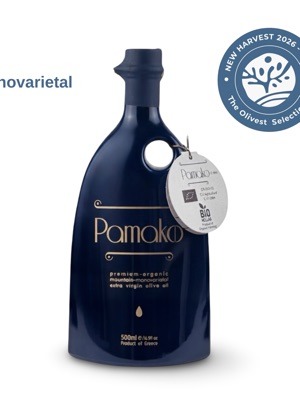
Pamako
Monovarietal
634total 2,000 NMR
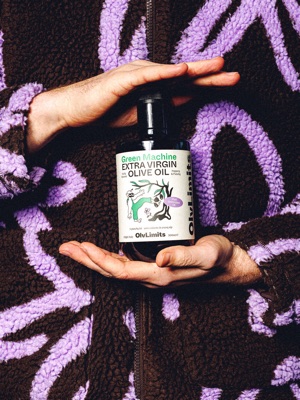
OlvLimits
Green Machine
439total 1,295 NMR
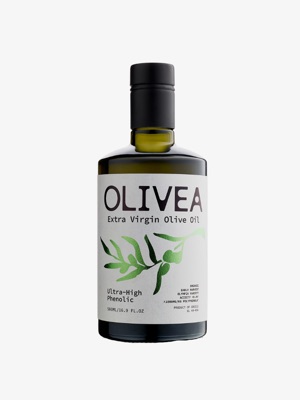
Olivea
Ultra High Phenolic
419total 1,046 NMR
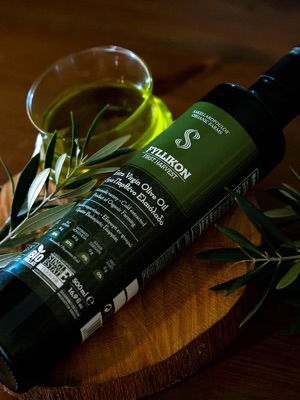
Sakellaropoulos
Fyllikon First Harvest
390total 1,825 NMR
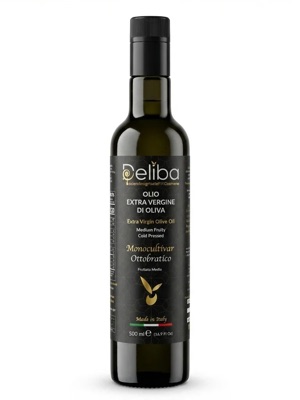
Deliba
Ottobratico
135total 629 HPLC (COI)
Grey: each brand's own headline total and method. The bars and the totals do not sort the same way, which is the point.
The index
11 oils with documented oleocanthal and oleacein
Each card carries the producer's compound values, the headline total in the producer's own method, and the document behind them. We make olive oil ourselves and our Coratina is here, held to the same format and the same rules as everyone else.
not listed on the producer site (UK partner £66 / 150ml of monodoses) · sold out; 2026 harvest goes to the waitlist first
Value: €28.52 per 100 mg oleocanthal + oleacein
Available in
United Kingdom
The highest documented compound pair in this index, measured by mass spectrometry at a university lab, with both molecules printed and the cultivar left unnamed. Sold as 5 ml monodoses rather than bottles, and the 2025 harvest is sold out.
The most striking compound figure in this index, oleocanthal at more than twenty times the average supermarket oil, documented, and second only to Oleaphen's mass-spectrometry pair. Greek-grown, US-sold, and regularly sold out.
Our own oil, held to the same format as everyone else's. These values come from the chromatography family, which in the one published same-oil comparison on this page read oleocanthal well below NMR. This row is measured by the conservative method.
05
Olive Oil Club Picholine
Picholine · Tunisia, pressed by Adonis Olive Oil; sold from Ede, Netherlands
A Dutch seller publishing the full certificate for a Tunisian Picholine. The two compounds sit at roughly 40% of a four-figure total; a Koroneiki from the same source reads 142 and 148.
not listed by the producer (retailers around €33 / 500ml)
Available in
Europe, United Kingdom
The largest total in the index, and the clearest demonstration of why this page doesn't rank by totals. The 2,000 rides mostly on other derivative compounds, while the two headline molecules sit mid-field. High-altitude organic Tsounati.
The most instructive entry on the page. The same oil, analysed by both method families, both documents published. The totals land 20% apart. If you read one entry to understand why cross-method comparison needs care, read this one.
The deepest publication record in olive oil. Certificates for every product, every year, for sixteen years. The second-largest total in the index, built mostly on compounds other than the headline pair.
A Calabrian mill publishing its full report under the EU method, with the two compounds printed under their chemical names. Small figures, complete documentation.
They cannot be placed on the index. Listed by stated figure, which is a list and not a ranking: these totals come from four different methods, and three of them from no stated method at all.
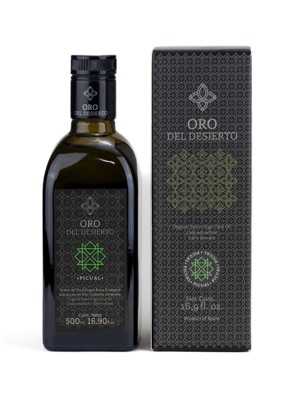
The most systematic publisher outside the ranked index. The whole range (Picual 844 down to Lechín 507), every campaign, with the method's limitations stated by the producer itself. Folin measures no individual compounds, so a compound ranking is off the table by construction.
Figures verified on the producers' own pages in September 2026. Machine-readable copy at /polyphenol-index.json, CC BY 4.0. Value: the price divided by the milligrams of oleocanthal + oleacein in the bottle (figure × bottle size × 0.916 kg/l), in euros per 100 mg. Other currencies converted at the ECB rate of 2026-10-14.
Why the totals differ
Total polyphenols is at least three measurements
Each method counts a different set of compounds in different units. The gap has structural causes, not sloppy labs, and no fixed conversion exists because it depends on each oil's profile. This index converts nobody's number.
HPLC and the COI method
Reads lowest
How it works
Separates the oil into its compounds and measures each one on the way out. The official IOC method for biophenols, run by most accredited food labs.
What the total means
Total in tyrosol equivalents, which counts the small core of each molecule and reads low by construction.
In this index
ATTIMO, Blueprint, Olivea's second certificate
NMR
Reads higher
How it works
Reads the magnetic signature of the sample and sums a long list of phenolic compounds, including heavy derivative molecules other methods partly miss.
What the total means
Total counts the full weight of every listed compound, so it lands structurally higher on the same oil.
In this index
World Olive Center and University of Athens certificates: most of the ranked index
Folin-Ciocalteu
Own scale
How it works
A colour reaction. A reagent turns blue in proportion to total phenolic activity, and the oil is never separated into compounds.
What the total means
Total in caffeic acid equivalents. Names no compound, so it cannot place an oil in the ranked index.
In this index
Oro del Desierto, ATTIMO Picual
Same oil, two methods
Two brands publish the same harvest under both families
Both numbers legitimate, both from the same bottle. Chromatography rows in the ranking are understated by the same asymmetry, never flattered: Olivea's oleocanthal reads 143 on its COI certificate and 244 on its NMR one.
mg/kg, 2025/26 harvest. Olivea: two published certificates. PJ Kabos: figures stated in product copy, no certificate.
Why almost nobody publishes
Publishing is itself the signal
Polyphenol content is the closest thing olive oil has to a measurable quality signal. It predicts bitterness and pungency, decides whether an oil qualifies for the EU's only approved olive oil health claim, and declines with age. Most producers publish nothing, and the reason is structural: late-harvest, high-yield production, the economics behind nearly every supermarket bottle, gives oil low in polyphenols. The brands on this page measured, and were willing to show the result.
Who publishes what
Total
Oleocanthal
Oleacein
Report
Oleaphen· High Phenolic 2025
Laconiko· ZOI
The Governor· Limited Edition
ATTIMO· Coratina
Olive Oil Club· Picholine
Kyoord· High Phenolic
Pamako· Monovarietal
OlvLimits· Green Machine
Olivea· Ultra High Phenolic
Sakellaropoulos· Fyllikon First Harvest
Deliba· Ottobratico
PJ Kabos· Phenolic Shot
—
—
—
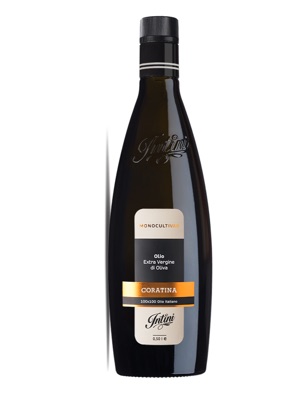
Olio Intini· Coratina
—
—
—
Oro del Desierto· Picual
—
—
Oleum Crete· Koroneiki
—
—
—
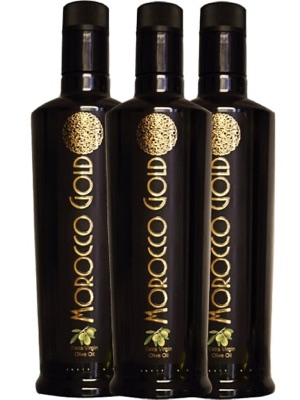
Morocco Gold· Extra Virgin
—
—
—
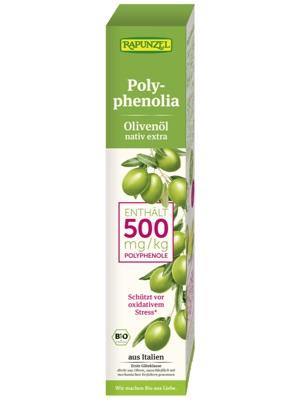
Rapunzel· Polyphenolia
—
—
—
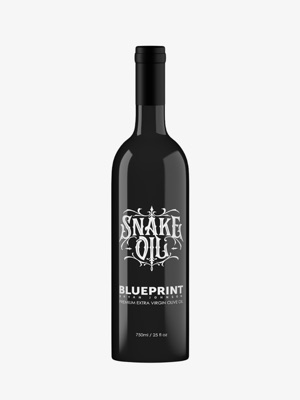
Blueprint· Snake Oil
—
—
Numbers that exist, published by someone else
Sparta Medicinal Olive Oil, 3,400 mg/kg per the World Olive Center's 2026 awards. Omfakion Plus, 2,006 to 2,101 with oleocanthal up to 1,534, per retailer listings. Evolia, around 2,012 per its Aristoleo award. PhenOLIV, 2,011, retailer listing only. Physis of Crete Korona, 1,477 NMR on a Polish retailer's page. None appears on the producer's own site, so none is in the index until that changes. Tricarico publishes full scans for its Coratina, from 2022, and is retired on the freshness rule.
The brands that publish nothing
As of September 2026: De Carlo, whose product page praises "the high value of polyphenols" without stating one, Guglielmi, Castillo de Canena, Biolea, Filippo Berio and Frantoio Muraglia publish no number for any oil. Terra Creta's traceability tool returns acidity, peroxides and UV absorbance for your exact bottle, and no polyphenols.
No published number does not mean a poor oil. It means an unverifiable one. The producers above operate mills, commission analyses and see these figures every season. Leaving them unpublished is a choice.
Produce an oil that qualifies, or found one we missed?
Send the link to the published figures and the analysis. Entries are verified against the published source and added at the next update. Any accredited lab or university programme qualifies, whichever method it uses. Publishing oleocanthal and oleacein places an oil in the ranked index.
Every figure is copied from the producer's own page or certificate, as published, in September 2026. Nothing is converted between methods. ATTIMO's row is read from its certificate record at build time. Submissions: hello@attimo-oil.com.

 01