Polyphenols In Olive Oil: Explained
Most of the health and longevity claims surrounding extra virgin olive oil trace back to a single source: polyphenols. The cardiovascular benefits, the anti-inflammatory effects, the association with reduced cognitive decline — all of this belongs to olive oil the polyphenol delivery system, not olive oil the fat.
This post covers:
- What polyphenols are and why plants produce them
- How olive oil compares to other polyphenol sources
- The specific compounds in olive oil, what each one does, and which two drive most of the health research
- How polyphenols determine the flavour of an oil
- How they are measured, what destroys them, and how harvest timing determines how much ends up in the bottle
- What the longevity research actually shows
- Why, despite all of this, polyphenol content remains invisible in the official grading system for olive oil
TL;DR
- Polyphenols are plant defence compounds. In olives, they peak early in the fruit's development and decline as it ripens — which is why harvest timing determines polyphenol content.
- Olive oil is exceptional among polyphenol sources because of its daily consumption volume and the specific bioavailability of its phenolic compounds.
- The two headline compounds are oleocanthal — which inhibits the same enzymes as ibuprofen — and oleacein, one of the most potent antioxidants found in food.
- Bitterness and throat burn are direct sensory signals of polyphenol content. A mild oil is a low-polyphenol oil.
- Total polyphenol content is measured in mg/kg. The EU health claim threshold is 250mg/kg. Most supermarket oils don't reach it. Most labels don't disclose it.
- Heat, oxygen, light, and time all degrade polyphenols. Harvest date matters more than best-before date.
- The strongest evidence supports cardiovascular protection, reduced LDL oxidation, and anti-inflammatory effects. Neuroprotective research is promising but still building.
- Polyphenol content is absent from official EVOO grading. Independent lab testing is the only way to know what you're buying.
What polyphenols are
Polyphenols are a large family of naturally occurring compounds found in plants. The name comes from their chemistry: they contain multiple phenol rings — molecular structures built around a benzene ring with a hydroxyl group attached. That structure is what gives them their biological activity.
Plants don't produce polyphenols for our benefit. They are primarily defence compounds — protecting the plant against UV radiation, pathogens, insects, and oxidative stress. In olives, polyphenol production peaks early in the fruit's development, when the seed is still forming and the fruit is most vulnerable. As the olive ripens and its role shifts from self-protection to seed dispersal, polyphenol levels fall.
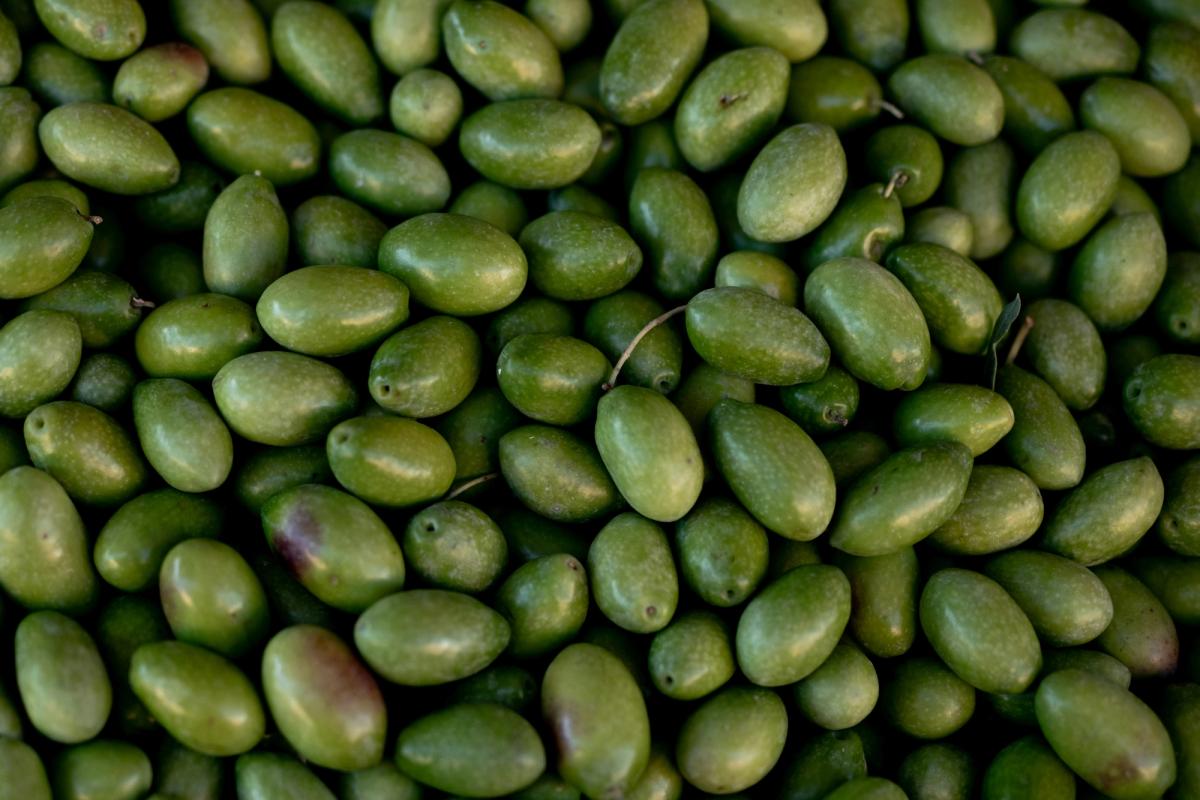
This evolutionary logic — produce polyphenols when protection is needed, scale back once the seed is safe — directly explains why harvest timing determines the polyphenol content of the oil that ends up in the bottle.
Why olive oil is exceptional among polyphenol sources
Polyphenols are found across the plant kingdom — in red wine, green tea, dark chocolate, berries, and many vegetables. Olive oil sits in an unusual position within this group.
Most polyphenol-rich foods are consumed in small quantities or diluted across a meal. Olive oil, particularly in Mediterranean diets, is consumed in meaningful daily volumes — typically 2–4 tablespoons. The polyphenols in olive oil are also predominantly water-soluble phenolic compounds, which behave differently from the polyphenols in wine or chocolate and show strong bioavailability in human studies.
| Source | Key polyphenols | Typical daily intake context |
|---|---|---|
| Red wine | Resveratrol, quercetin | ~150ml per serving |
| Green tea | EGCG, catechins | ~240ml per cup |
| Dark chocolate | Flavanols | ~10–30g per serving |
| Extra virgin olive oil | Oleocanthal, oleacein, oleuropein, hydroxytyrosol | 2–4 tbsp daily, with food |
What distinguishes olive oil further is the specific profile of its phenolic compounds — particularly oleocanthal and oleacein, which have mechanisms of action not found in other common dietary polyphenol sources.
The main polyphenols in olive oil
Olive oil contains dozens of phenolic compounds. The most studied and most relevant:
| Compound | Class | Primary effect | Concentration |
|---|---|---|---|
| Oleuropein | Secoiridoid | Precursor to oleacein and hydroxytyrosol; antioxidant | High in fruit, converts during processing |
| Oleacein | Secoiridoid | Powerful antioxidant; anti-inflammatory; LDL protection | High |
| Oleocanthal | Secoiridoid | COX inhibition (ibuprofen-like); anti-inflammatory | High |
| Ligstroside aglycon | Secoiridoid | Similar activity to oleocanthal | Lower |
| Hydroxytyrosol | Simple phenol | One of the most potent dietary antioxidants; basis of EU health claim | Moderate; increases as oleuropein degrades |
| Tyrosol | Simple phenol | Antioxidant | Moderate; lower activity than hydroxytyrosol |
| Luteolin / Apigenin | Flavonoid | Anti-inflammatory; antioxidant | Low |
| Pinoresinol / Acetoxypinoresinol | Lignan | Hormonal regulation; antioxidant | Low |
The exact profile and concentration of these compounds varies by variety, harvest timing, extraction method, and storage conditions. No two oils are identical.
Oleocanthal and oleacein: the headline compounds
These two secoiridoids deserve particular attention because their mechanisms are unusually well-characterised.
Oleocanthal
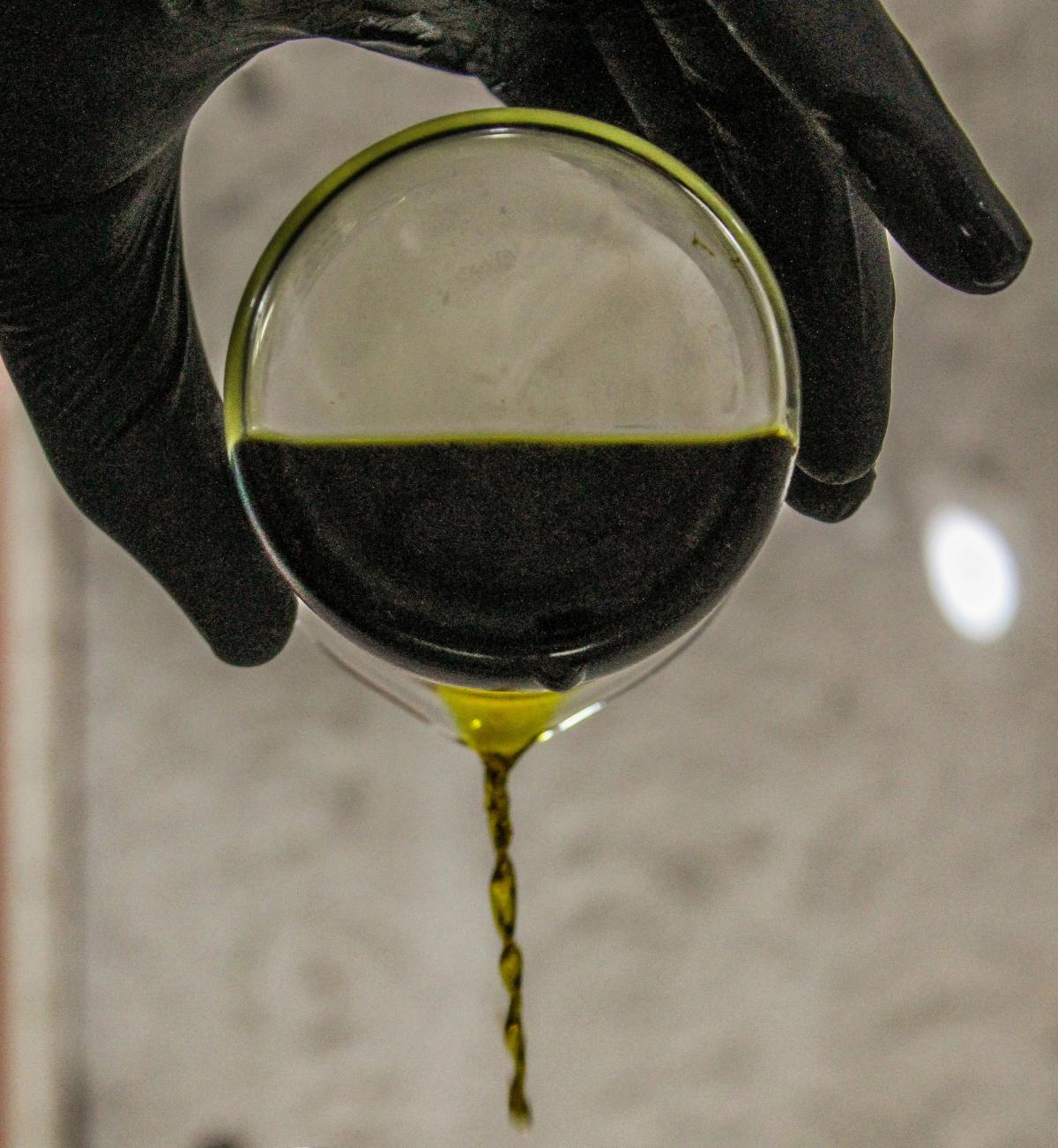
Oleocanthal was identified as a distinct compound in 2005 by researcher Gary Beauchamp, who noticed that freshly pressed extra virgin olive oil produced the same throat irritation as liquid ibuprofen. The parallel wasn't coincidental.
Oleocanthal inhibits cyclooxygenase enzymes — COX-1 and COX-2 — the same enzymes targeted by ibuprofen and other non-steroidal anti-inflammatory drugs (NSAIDs). At typical consumption levels, a 50ml serving of high-oleocanthal olive oil delivers roughly the equivalent of 10% of a standard ibuprofen dose. The dose is low, but the mechanism is the same, and daily consumption means sustained, low-level anti-inflammatory activity over time.
The throat burn you feel when swallowing a peppery, early-harvest oil is a direct sensory signal of oleocanthal concentration — not a flavour defect to push through. More burn, more oleocanthal.
Recent research has also linked oleocanthal to inhibition of tau protein aggregation — one of the pathological hallmarks of Alzheimer's disease — though this line of research is still at an early stage.
Oleacein
Oleacein is the other major secoiridoid and is typically present in similar or higher concentrations than oleocanthal. It is one of the most powerful antioxidants in the olive phenolic family, with strong capacity to neutralise free radicals and reduce oxidative stress in cells.
Oleacein has shown effects on LDL oxidation (reducing the conversion of LDL cholesterol into its more damaging oxidised form), endothelial function (supporting the health of blood vessel walls), and inflammatory signalling (moderating several pro-inflammatory pathways).
Together, oleocanthal and oleacein form the biological core of what makes a high-polyphenol olive oil distinct from a commodity one.
How polyphenols determine flavour
The taste of an olive oil is largely a direct readout of its polyphenol content. This is one of the more elegant facts in olive oil chemistry: the sensory experience and the health profile are driven by the same compounds.
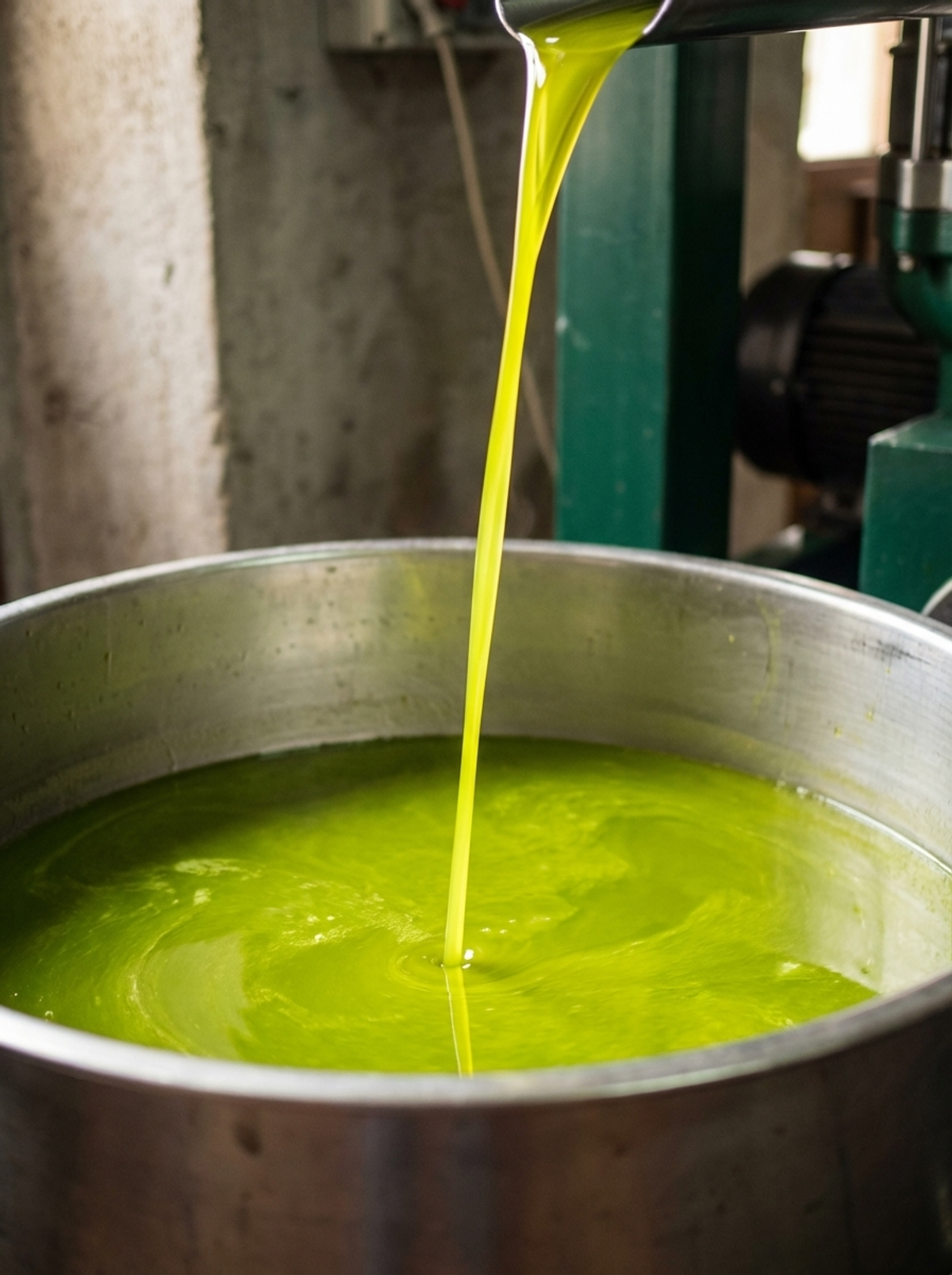
Bitterness — primarily from secoiridoids, especially oleacein and oleuropein derivatives. Bitterness registers on the mid-palate. In olive oil tasting, it is scored as a positive attribute.
Pungency — the throat burn — is caused almost exclusively by oleocanthal. It is felt at the back of the throat, sometimes several seconds after swallowing. The number of "coughs" an oil produces is used by tasters as a rough proxy for oleocanthal concentration.
Freshness and green notes — the grassy, herbaceous, sometimes artichoke-like character of early-harvest oils comes partly from volatile aromatic compounds and partly from higher phenolic compound concentrations associated with early pressing.
Mild, smooth olive oils are low in polyphenols. The mildness is not a refinement — it is an absence.
How polyphenols are measured
There is no single universal method for measuring polyphenols in olive oil. Three methods are in common use, and they measure different things — which means the numbers they produce are not directly comparable.
| Method | What it measures | Typical output | Limitations |
|---|---|---|---|
| Folin-Ciocalteu (FC) | Total reducing capacity of all phenolic compounds | Higher number — tends to overstate relative to HPLC | Low specificity; acceptable for olive oil specifically because the oil matrix has few interfering substances |
| HPLC (IOC method) | Individual phenolic compounds separated chromatographically | Lower number than FC — counts only identified compounds | Cannot distinguish between all compound forms; some secoiridoids lack commercial reference standards |
| EU health claim method (HPLC after hydrolysis) | Hydroxytyrosol, tyrosol, and their derivatives only | Lowest number — a subset of total polyphenols | Narrowest scope by design; measures only compounds legally relevant to the health claim |
The practical implication: an oil reported at 500 mg/kg by Folin-Ciocalteu may show a lower figure under HPLC, and a lower figure still under the EU health claim method — not because the polyphenols disappeared, but because each method is counting something different.
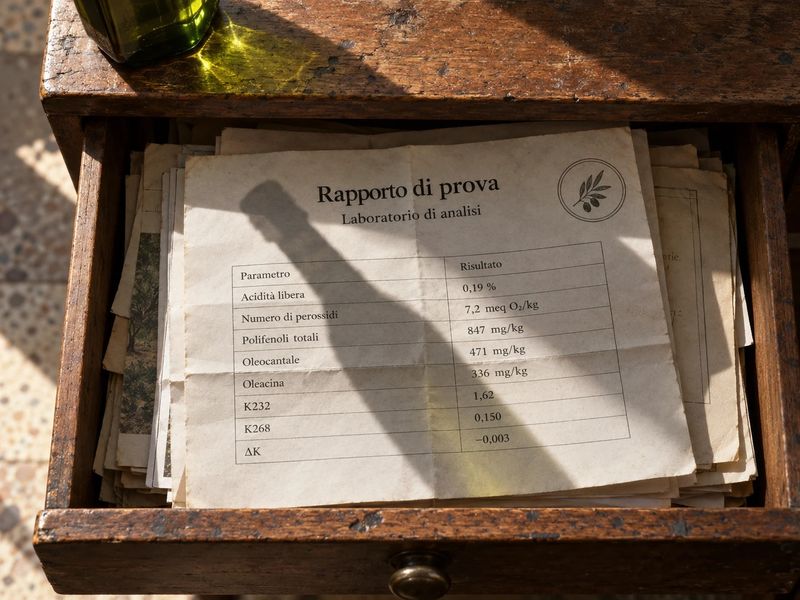
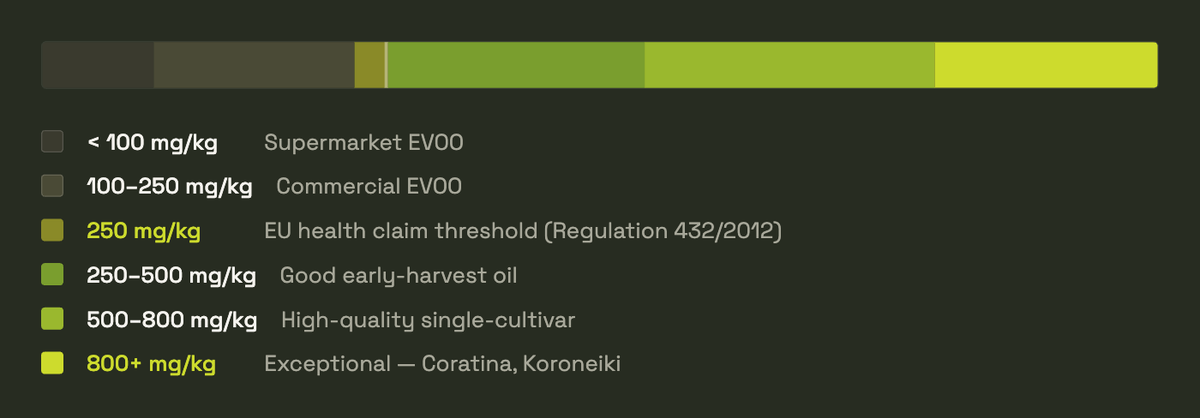
The standard method for measuring total polyphenol content is the Folin-Ciocalteu method — a colorimetric assay that measures the reducing capacity of phenolic compounds in a sample. Results are expressed in milligrams per kilogram (mg/kg) of oil.
| mg/kg | What it means |
|---|---|
| < 100 | Typical supermarket EVOO — fully ripe olives, often blended stock |
| 100–250 | Mid-range commercial EVOO |
| 250 | EU health claim threshold — minimum to carry the hydroxytyrosol claim |
| 250–500 | Good quality, early- to mid-harvest single-origin oil |
| 500–800 | High quality, early-harvest single-cultivar oil |
| > 800 | Exceptional — characteristic of early-harvest high-phenol varieties like Coratina or Koroneiki |
The EU health claim states that 20g of oil per day providing at least 5mg of hydroxytyrosol and its derivatives contributes to the protection of blood lipids from oxidative stress. To carry this claim on a label, the oil must contain at least 250mg/kg of these compounds.
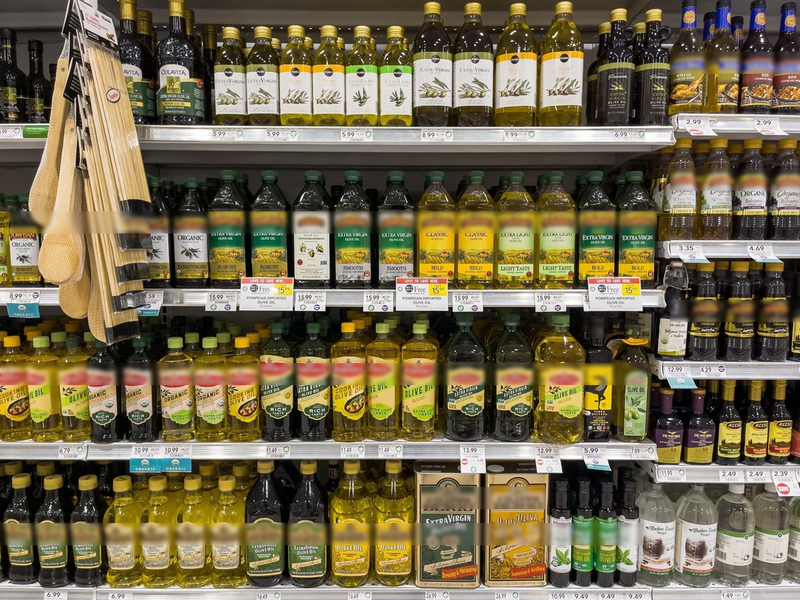
Most supermarket oils don't come close. Most labels don't disclose polyphenol content at all. Independent lab testing — showing the actual mg/kg value — is the only way to know what you're buying.
What destroys polyphenols
Polyphenols begin degrading from the moment the olive is pressed. Several factors accelerate this process:
| Factor | Mechanism | Practical implication |
|---|---|---|
| Heat during extraction | High temperatures during pressing increase yield but break down phenolic compounds | Cold extraction below 27°C is required to preserve polyphenols |
| Oxygen | Polyphenols react with oxygen to protect the oil's fatty acids — consuming themselves in the process | Keep bottles sealed; minimise air exposure after opening |
| Light | UV and visible light accelerate oxidation | Dark glass or opaque packaging; store away from direct light |
| Time | Polyphenol content declines continuously even under ideal conditions | Prioritise harvest date over best-before date; consume within 12 months of harvest |
| High cooking heat | Direct thermal degradation of phenolic compounds | Use early-harvest oils raw or at low heat |
| Poor filtration | Unfiltered oils contain olive particles and water that accelerate microbial activity | Properly filtered oils retain polyphenol content more consistently |
Practical storage:
- dark glass or opaque bottle
- away from heat and direct light, sealed when not in use
- consumed within 12 months of harvest
Harvest timing and polyphenol content
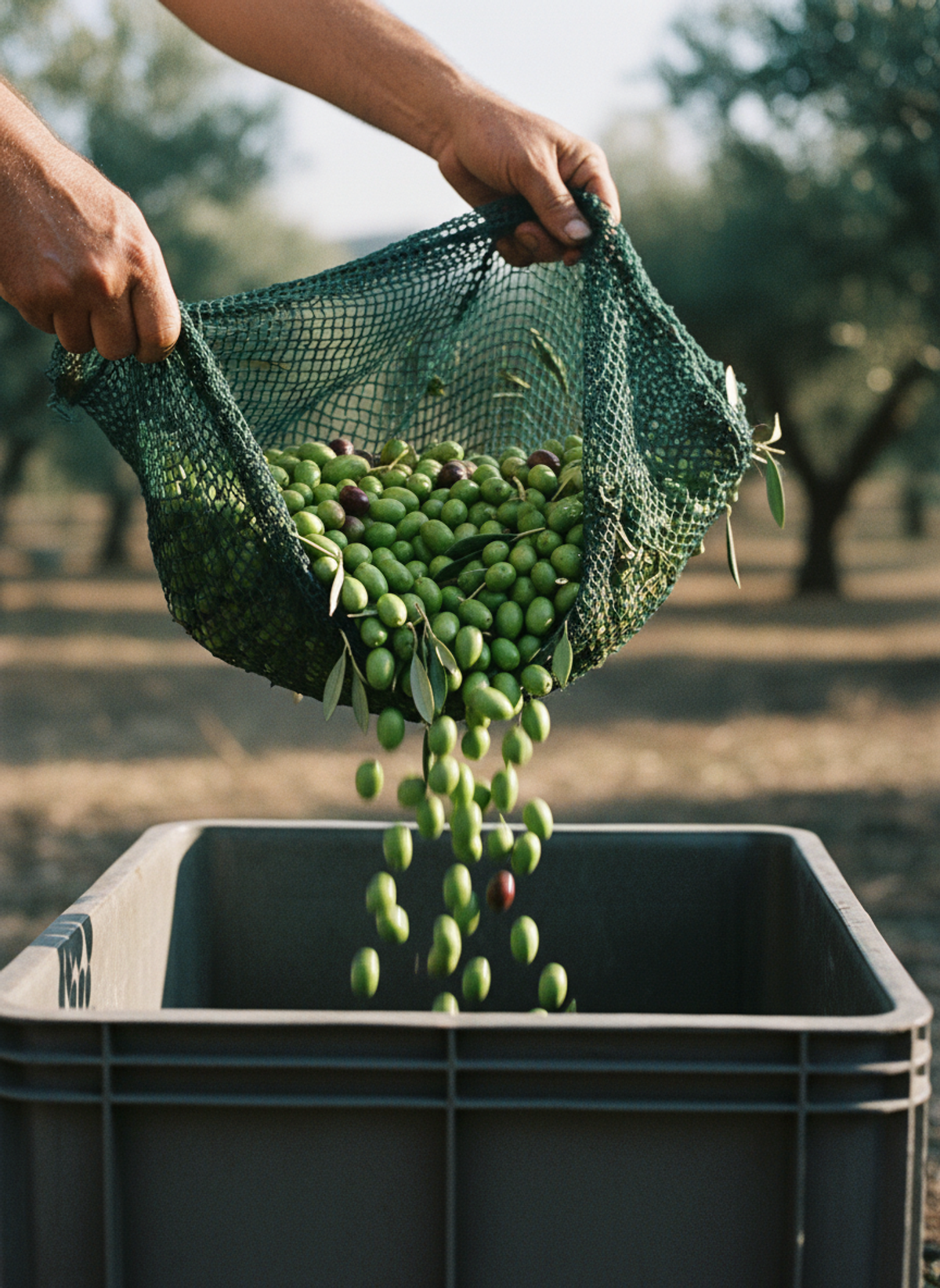
If polyphenols are the plant's early defence system, it follows that they are most concentrated when the olive most needs defending — early in its development, before the seed has fully formed.
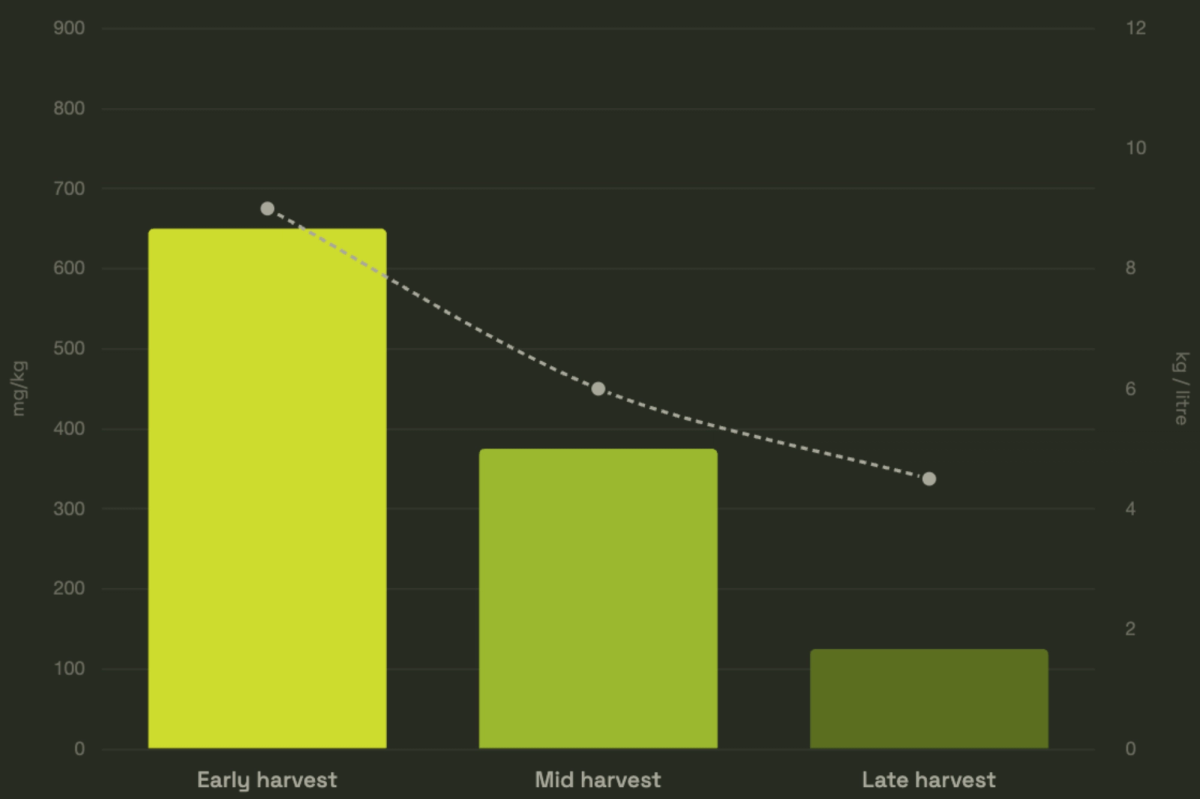
| Harvest stage | Olive colour | Typical polyphenol content | Oil yield |
|---|---|---|---|
| Early harvest | Green | 500–800+ mg/kg | Low (~8–10kg fruit per litre) |
| Mid harvest | Green-purple | 250–500 mg/kg | Medium (~6kg fruit per litre) |
| Late harvest | Purple-black | 50–200 mg/kg | High (~4–5kg fruit per litre) |
For producers, early harvest means significantly more olives needed to produce a litre of oil — often 8–10kg of fruit versus 4–5kg at full ripeness. The economics push the industry toward later harvest. The chemistry pushes quality toward earlier.
This is not a subtle difference. An early-harvest Coratina can measure above 800mg/kg. A late-harvest oil from the same trees may measure below 150mg/kg. Same variety, same grove, different season — a fivefold difference in polyphenol content.
Bioavailability: what actually gets absorbed
High polyphenol content in the bottle does not automatically translate to high absorption in the body. Bioavailability — how much of a compound reaches the bloodstream and target tissues — varies considerably across compounds and individuals.
Hydroxytyrosol is among the most bioavailable polyphenols known. Studies show it is rapidly absorbed in the small intestine and appears in plasma and urine within hours of consumption.
Oleocanthal and oleacein show good absorption, with metabolites detectable in plasma. Their bioavailability is enhanced by the fat matrix of olive oil itself — fat facilitates absorption of many phenolic compounds.
Oleuropein is less bioavailable in its intact form but is metabolised by gut bacteria into hydroxytyrosol, which is then absorbed.
The honest position is that bioavailability research for olive oil polyphenols is ongoing and not fully resolved. What is established is that hydroxytyrosol and its derivatives are absorbed efficiently, reach tissues, and produce measurable biological effects. The clinical evidence for oleocanthal is strong at the mechanistic level; long-term intervention trials are fewer.
Longevity and health research
The health case for high-polyphenol olive oil rests on a substantial but still evolving body of evidence.
Cardiovascular health: the strongest evidence base. The PREDIMED trial — over 7,000 participants — found that a Mediterranean diet supplemented with extra virgin olive oil significantly reduced the incidence of major cardiovascular events. Specific mechanisms include reduction in LDL oxidation, improvement in endothelial function, modest reduction in systolic blood pressure, and reduction in platelet aggregation.
Anti-inflammatory effects: the oleocanthal mechanism is the clearest example. Regular consumption provides sustained, low-dose COX inhibition — the same pathway as NSAIDs, without the gastrointestinal side effects associated with pharmaceutical doses.
Neuroprotection: emerging and promising, but not yet definitive. Oleocanthal has shown the ability to inhibit tau protein aggregation and amyloid-beta accumulation in cell and animal studies — both hallmarks of Alzheimer's pathology.
Cancer: a range of in vitro and animal studies have shown antiproliferative effects of oleocanthal, oleacein, and hydroxytyrosol. Epidemiological studies suggest inverse associations with breast, colorectal, and prostate cancer. Clinical confirmation in human trials is limited.
Metabolic health: studies show improvements in insulin sensitivity and blood glucose regulation with regular EVOO consumption.
| Health area | Key compounds | Evidence level | Status |
|---|---|---|---|
| Cardiovascular protection | Hydroxytyrosol, oleacein, oleocanthal | Strong | Supported by large RCTs including PREDIMED |
| LDL oxidation reduction | Hydroxytyrosol, oleacein | Strong | Basis of EU authorised health claim |
| Anti-inflammatory effects | Oleocanthal (COX inhibition) | Strong mechanistically | Intervention trials ongoing |
| Metabolic health | Hydroxytyrosol, oleocanthal | Moderate | Positive findings in multiple studies |
| Neuroprotection | Oleocanthal, hydroxytyrosol | Promising | Cell and animal studies; human trials limited |
| Cancer | Oleocanthal, oleacein, hydroxytyrosol | Early stage | In vitro and epidemiological; clinical confirmation limited |
What is not in serious scientific dispute: regular consumption of high-polyphenol extra virgin olive oil is associated with reduced cardiovascular risk, reduced markers of systemic inflammation, and protection of blood lipids from oxidative stress.
The industry blind spot
Extra virgin olive oil is graded on three criteria: free acidity, peroxide value, and sensory assessment. Polyphenol content appears in none of them.
An oil can be legally classified as extra virgin — the highest grade — and contain less than 50mg/kg of polyphenols. The grading system was designed around freshness and defect detection, not nutritional quality.
This means polyphenol content is effectively invisible in the formal quality framework. Most producers don't test for it. Most labels don't mention it. Most consumers have no way to compare.
It also creates no commercial incentive to harvest early. Late-harvest olives yield significantly more oil per kilogram of fruit. The common industry practice of blending early-harvest oil with cheaper, riper oil compounds this further: the blend dilutes polyphenol content while still qualifying for the same EVOO designation.
The result is that the variable most correlated with olive oil's health benefits is also the least visible in the market. A supermarket EVOO priced at €5 and a carefully produced early-harvest single-cultivar oil can share the same grade designation with a fivefold difference in what matters most.
Independent lab testing is the only current solution. Without a polyphenol disclosure requirement on labels — which does not yet exist in EU or international standards — transparency depends entirely on producer choice.
Where ATTIMO stands
Every oil in our lineup is tested by an independent laboratory, and the results — total polyphenols in mg/kg, acidity, peroxides, oleic acid — are published alongside the product.
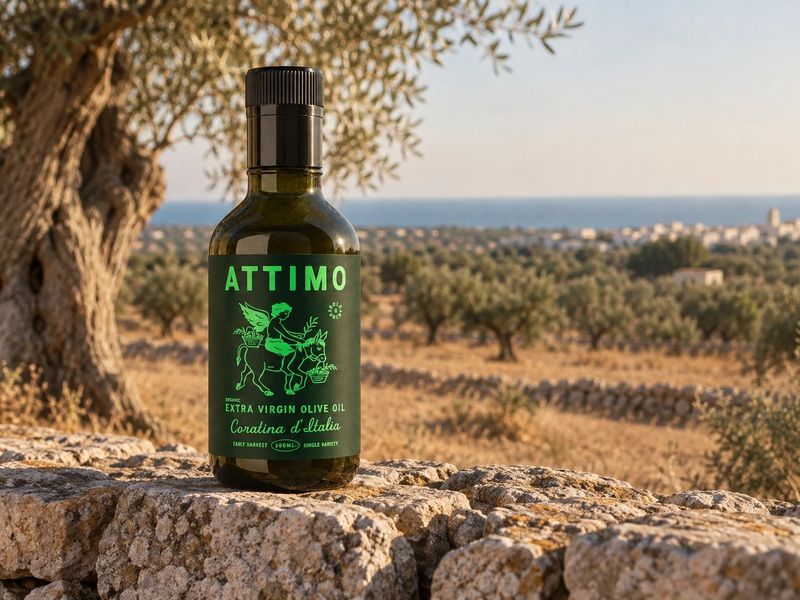
Our current oils — Nocellara, Coratina, and Picual — are all early-harvest, all single-cultivar, all selected in part for polyphenol potential. Coratina in particular is one of the highest-polyphenol varieties grown in Italy, consistently measuring above 700mg/kg when harvested at the right moment.
FAQ
What is the minimum polyphenol content worth looking for?
The EU health claim threshold is 250mg/kg. As a general guide, anything above 250mg/kg total polyphenols is meaningfully above the commodity baseline. Early-harvest, single-cultivar oils from high-phenol varieties typically range from 400–800mg/kg or above.
Does bitter olive oil mean high polyphenols?
Generally yes. Bitterness and pungency — especially the throat burn — are reliable sensory proxies for polyphenol content. A mild, smooth oil is almost certainly low in polyphenols. An oil that makes you cough is delivering oleocanthal.
Do polyphenols degrade in the bottle?
Yes, gradually. Store in a dark, cool place, keep sealed when not in use, and consume within 12 months of harvest. The harvest date on the label matters more than the best-before date.
Is high-polyphenol olive oil safe to take daily?
Yes. The compounds are food-grade and consumed as part of a normal diet. There is no established upper safety limit for dietary olive oil polyphenols at normal consumption levels.
Can you get the same benefits from polyphenol supplements?
The evidence base for isolated polyphenol supplements is weaker than for whole olive oil consumption. The food matrix — the fat, the minor compounds, the way the oil is consumed — appears to matter for bioavailability. Supplements are not a direct equivalent.