
The Olive Press
Does Olive Oil Go Bad? How to Tell If Expired Oil Is Rancid Or Just Old
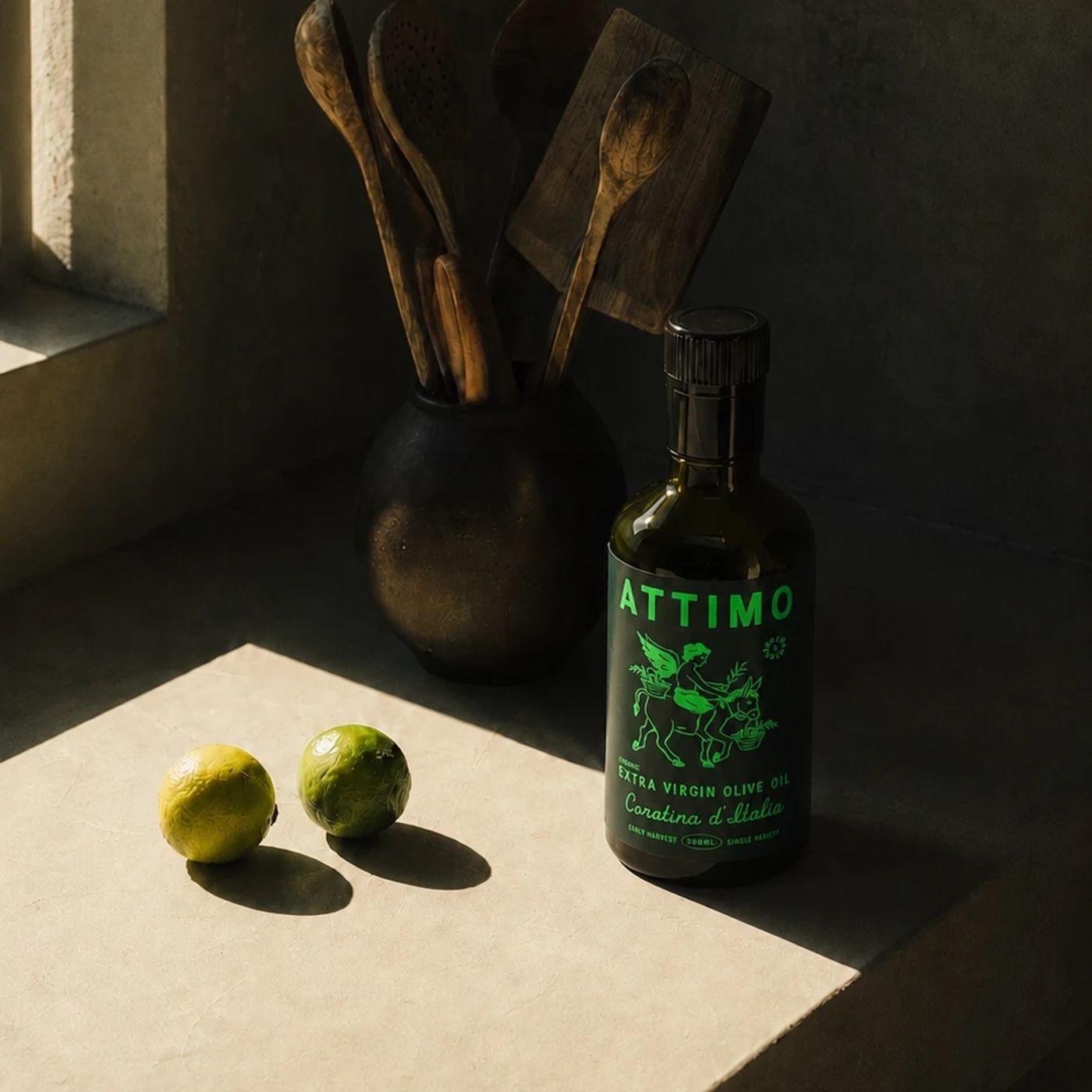
Olive oil does not spoil like milk. It goes past its best within about a year, losing around 42% of its polyphenols, and turns rancid much later. How long each stage takes and how to tell them apart.
Read more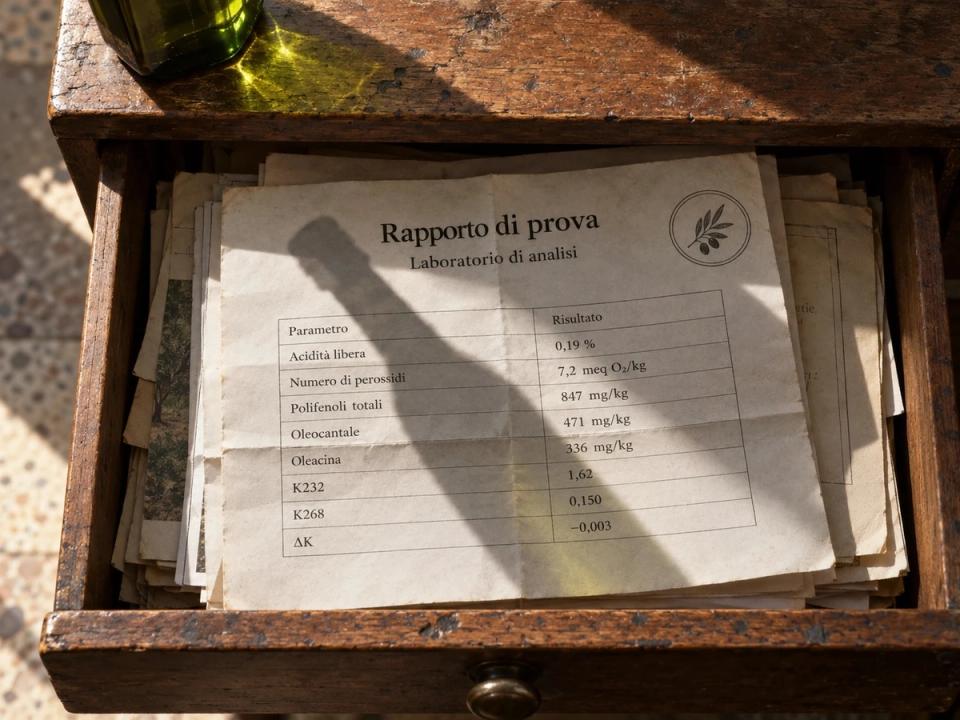
The Olive Oil Polyphenol Index: Every Brand That Publishes Its Polyphenol Numbers (2025/26 Harvest)
Very few olive oil producers publish their polyphenol content. This index lists every brand we found that does, with the measured values, the analysis method and whether the lab report is viewable. Ranked by documented oleocanthal and oleacein, because totals from different methods are different currencies.
Read more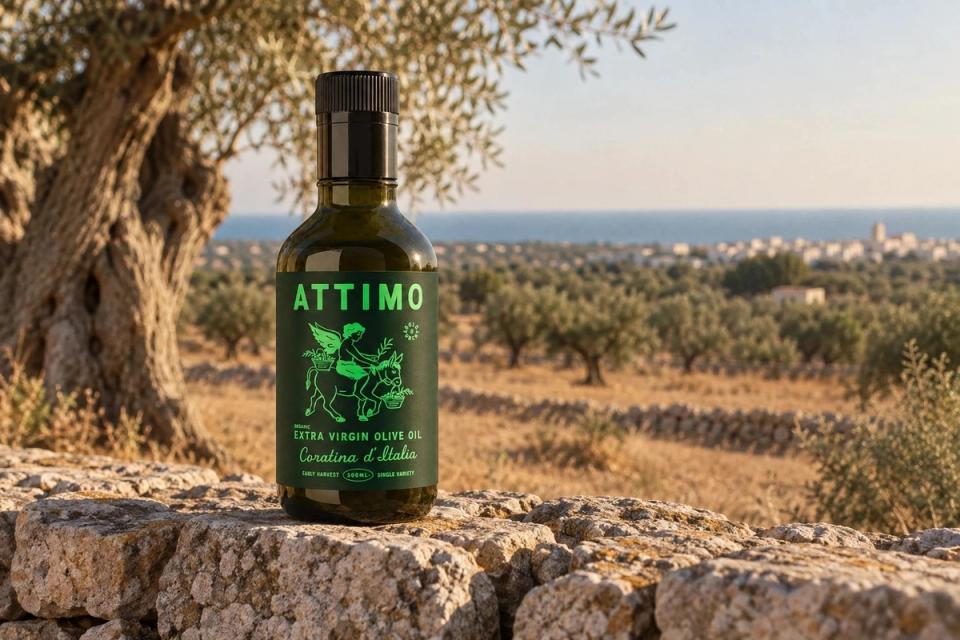
What Is Specialty Olive Oil?
Coffee got its word twenty years ago; olive oil's is still unsettled. Specialty olive oil, defined: extra virgin oil produced to maximise the flavour and health compounds of the fresh fruit, and sold with the evidence to prove it, across five checkable dimensions.
Read more
28 Olive Oil Myths That Won't Die
A lot of what people believe about olive oil is marketing, habit, or a good story that happens to be wrong. Twenty-eight of the most common myths, grouped by where they come from.
Read more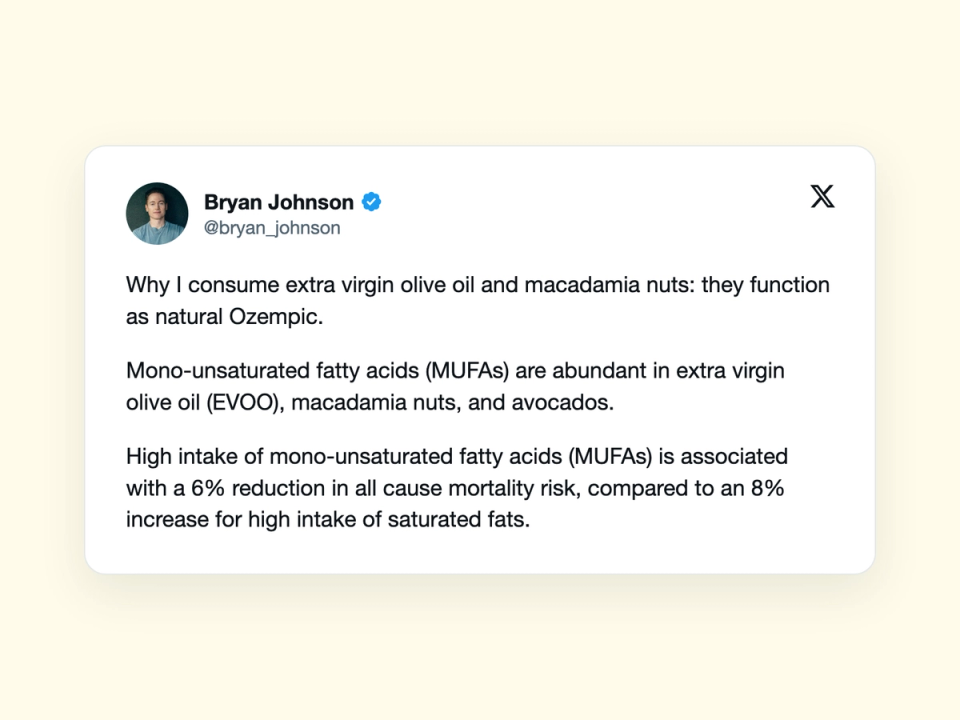
Is Olive Oil A Natural Ozempic? What The GLP-1 Science Says
Bryan Johnson calls olive oil a natural Ozempic. The comparison points at real biology: a fullness hormone called GLP-1, three routes food reaches it, and trial numbers worth seeing side by side.
Read more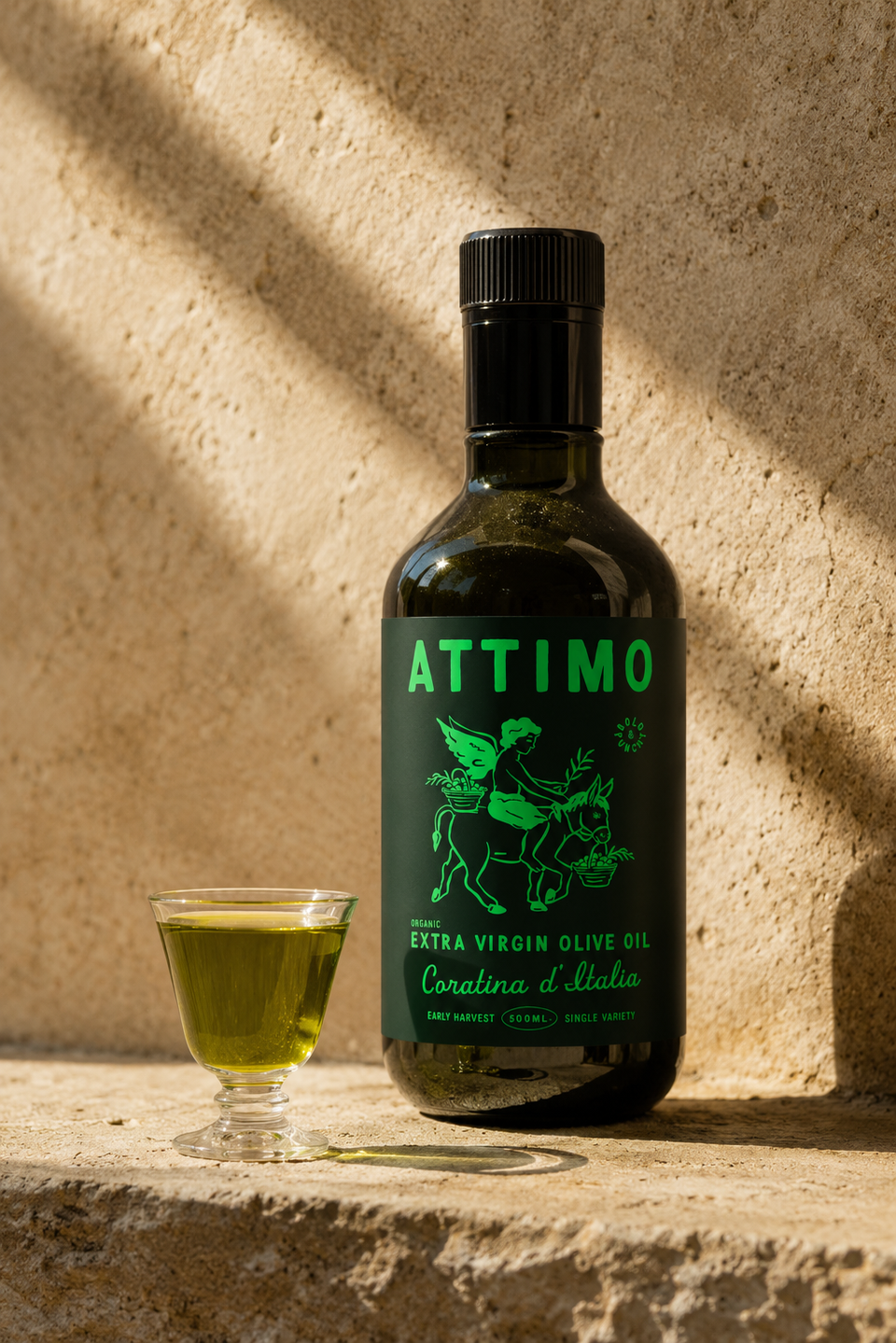
How Much Olive Oil Per Day? Bryan Johnson Takes 15% Of His Calories
Bryan Johnson drinks three tablespoons a day and calls it 15% of his calories. The study he cites measured half a tablespoon. What the evidence supports.
Read more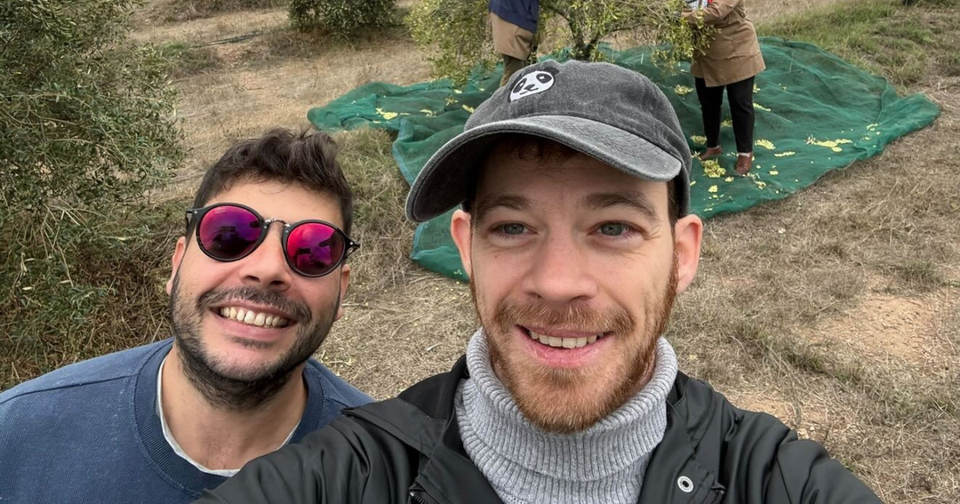
The Human Story Behind ATTIMO As Featured In The "Olive Feeling"
The story behind ATTIMO, as told in The Olive Feeling: childhood summers in Tuscany, a career in tech, and the way back to a slower life.
Read more
High-Polyphenol Olive Oil: Benefits & How to Choose
What high-polyphenol olive oil is, how many polyphenols it should have, what the research supports, and how to buy one that has been measured.
Read more
How To Read An Olive Oil Lab Report
How to read an olive oil lab report: what every number means, which compounds matter for health, and how to tell good, fresh oils from bad, old ones.
Read more
Squeeze Bottles Are Great For Marketing And Margins. They're Terrible For Olive Oil.
Plastic squeeze bottles are cheaper, lighter and good for marketing. They also let oxygen and light into the oil, and compounds from the plastic migrate into it. Why olive oil belongs in dark glass.
Read more
Unfiltered Olive Oil Sounds Like A Good Idea. In Most Cases, It's Not.
Unfiltered olive oil looks more natural, but the fruit sediment left in it can ferment and spoil the flavour. Unless you're at the mill, filtered is the better buy.
Read more
Olive Oil Shots: The Benefits, The Right Oil, And How To Take One
One tablespoon of high-quality extra virgin olive oil, taken raw. What the olive oil shot does, what the science says, and which oil to use.
Read more
Bryan Johnson's Olive Oil: An Evidence-Based Review and What To Buy In Europe
Bryan Johnson takes three tablespoons of extra virgin olive oil a day as part of his Blueprint protocol. His quality criteria, what Blueprint's own oil is, and how European buyers can meet the same criteria.
Read more
Should You Cook With Olive Oil?
Olive oil is one of the more stable fats for cooking. Heat breaks down its polyphenols and aromas, so the useful question is which olive oil belongs in the pan, and at what temperature.
Read more
What Are Polyphenols In Olive Oil?
Polyphenols in olive oil: the compounds behind the health research, how they're measured, what the science shows on cardiovascular and anti-inflammatory effects, and how harvest timing determines how much ends up in your bottle
Read more
Do Green, Purple, and Black Olives Make Different Olive Oils?
How olive ripening shapes the colour, flavour, polyphenols, freshness and yield of olive oil, and why early-harvest oils differ from late-harvest ones.
Read more